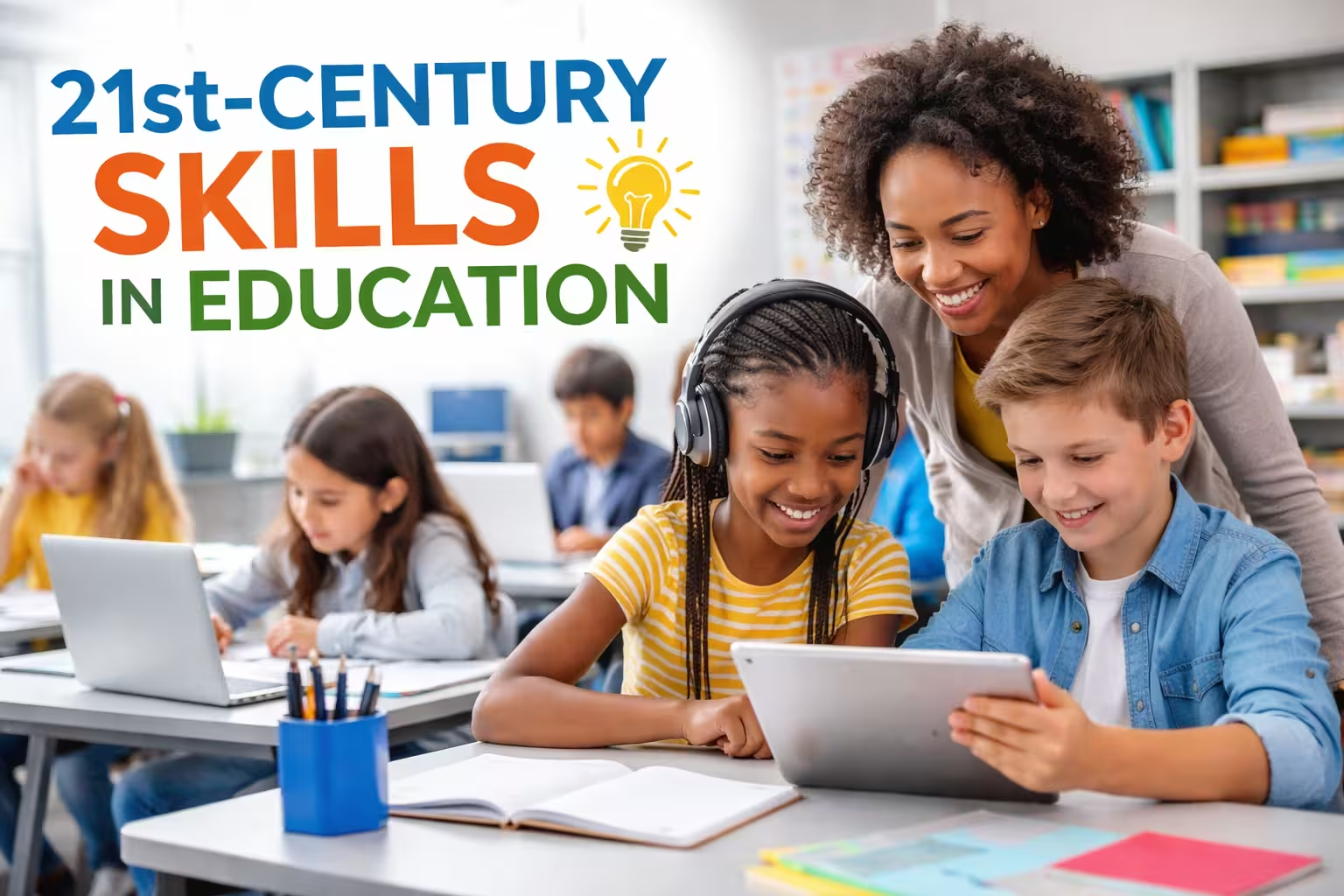
Education in today’s world is changing faster than ever before. Traditional learning methods that focus only on memorization and exams are no longer enough. To succeed in modern society, students need a strong foundation in 21st-century skills—a combination of academic knowledge, practical abilities, and digital competencies.
At Global Learning International School, we believe that preparing students for the future means delivering modern, future-ready education that meets global standards while supporting local growth in Haiti.
What Are 21st-Century Skills in Education?
21st-century skills refer to a set of core abilities that help students succeed in school, careers, and everyday life. These skills are recognized worldwide as essential for students growing up in a technology-driven and globalized world.
The most important 21st-century skills include:
-
Critical thinking and problem-solving
-
Creativity and innovation
-
Communication and collaboration
-
Digital literacy and technology skills
-
Leadership, adaptability, and responsibility
Modern schools that integrate these skills into daily learning are better equipped to prepare students for university education and future careers.
Why 21st-Century Skills Matter for Students in Haiti
Students today are growing up in a global economy where competition and collaboration happen across borders. Quality education in Haiti must focus not only on academic success but also on real-world skills.
Developing 21st-century skills helps students in Haiti to:
-
Compete internationally for higher education opportunities
-
Adapt to new technologies and digital platforms
-
Build confidence, independence, and leadership
-
Prepare for future careers in a changing job market
A strong international education empowers students to become active contributors to their communities and the global society.
The Role of Digital Learning in Modern Education
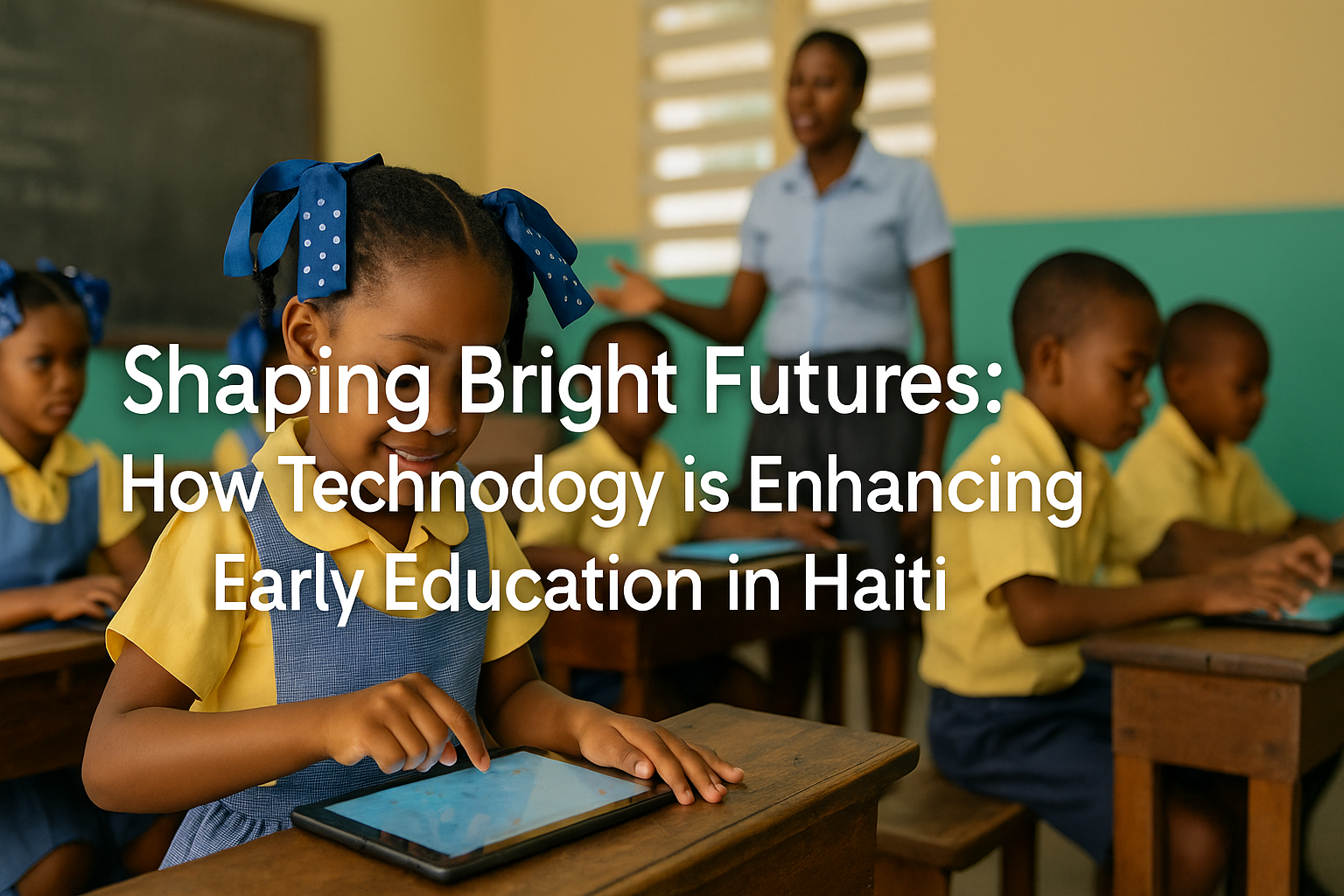
One of the biggest education trends worldwide is digital learning. Technology, when used correctly, enhances classroom engagement and improves student outcomes.
Digital learning in schools allows students to:
-
Access updated learning resources
-
Develop research and analytical skills
-
Improve communication and collaboration
-
Learn responsible and ethical technology use
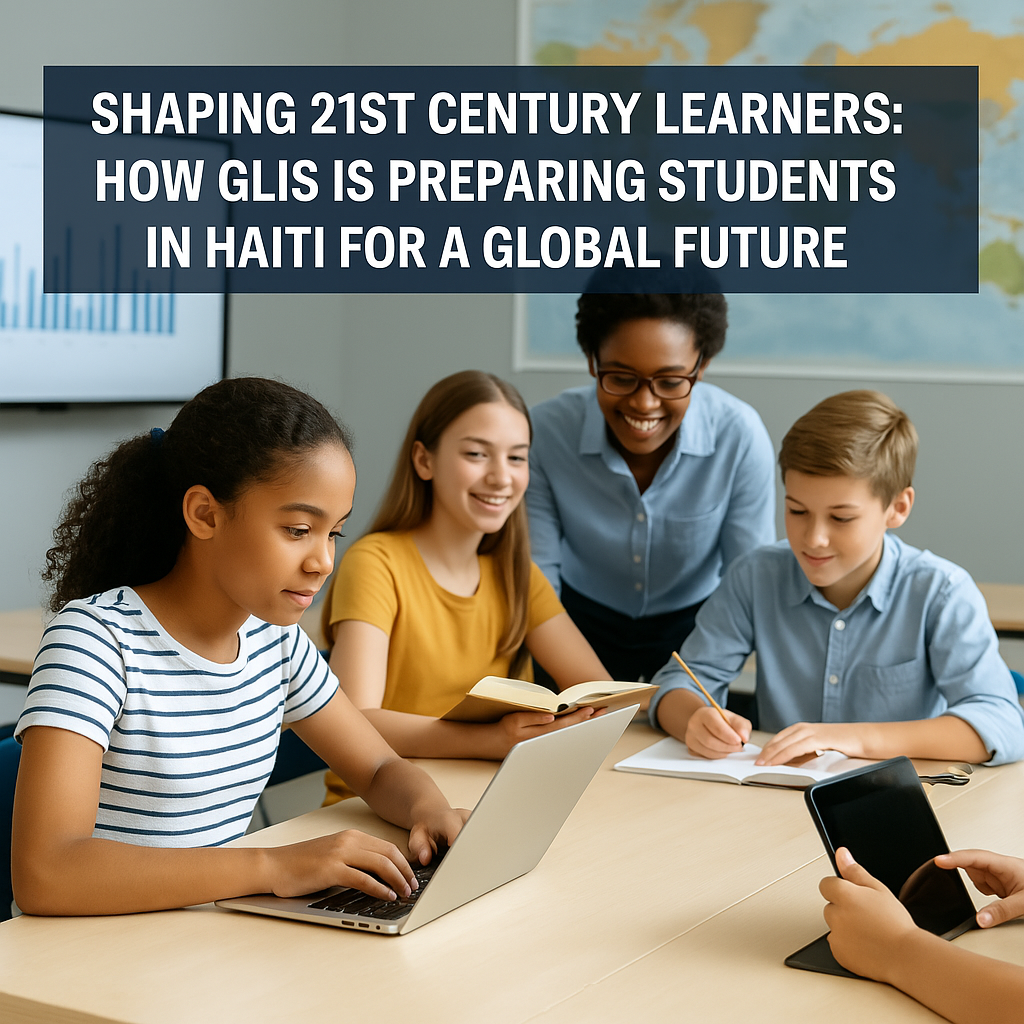
At Global Learning International School, digital tools are used to support learning—not replace teachers—ensuring students receive balanced and effective education.
Project-Based and Collaborative Learning
Another important trend in modern education is project-based learning. This method encourages students to work together, think creatively, and solve real-world problems.
Benefits of collaborative learning include:
-
Improved teamwork and communication skills
-
Deeper understanding of academic concepts
-
Increased student engagement and motivation
-
Practical application of classroom knowledge
This approach prepares students for higher education and professional environments where teamwork is essential.
Preparing Students for a Global and Competitive Future
Future-ready education focuses on developing confident learners who can adapt to change. Schools that emphasize 21st-century skills help students become:
-
Independent thinkers
-
Effective communicators
-
Responsible digital citizens
-
Lifelong learners
Parents looking for the best international school in Haiti should choose institutions that prioritize modern teaching methods, global standards, and student-centered learning.
Why Modern Education Matters More Than Ever
Education today is about more than academic achievement—it’s about preparing students for life. A school that combines strong academics with digital learning, creativity, and leadership development gives students a powerful advantage.
Global Learning International School remains committed to providing quality education in Haiti that prepares students for success locally and internationally.
🌐 Learn more about our programs: www.glischool.com


Joining Over 500 Students with gLIS For their Education
Become Part of GLIS for endless future